Used containers
Used Conex Box for Sale
A used conex box is the most affordable way to get secure, weatherproof steel storage. Here’s how a used conex box is graded, what to check, and which sizes and types we offer used.
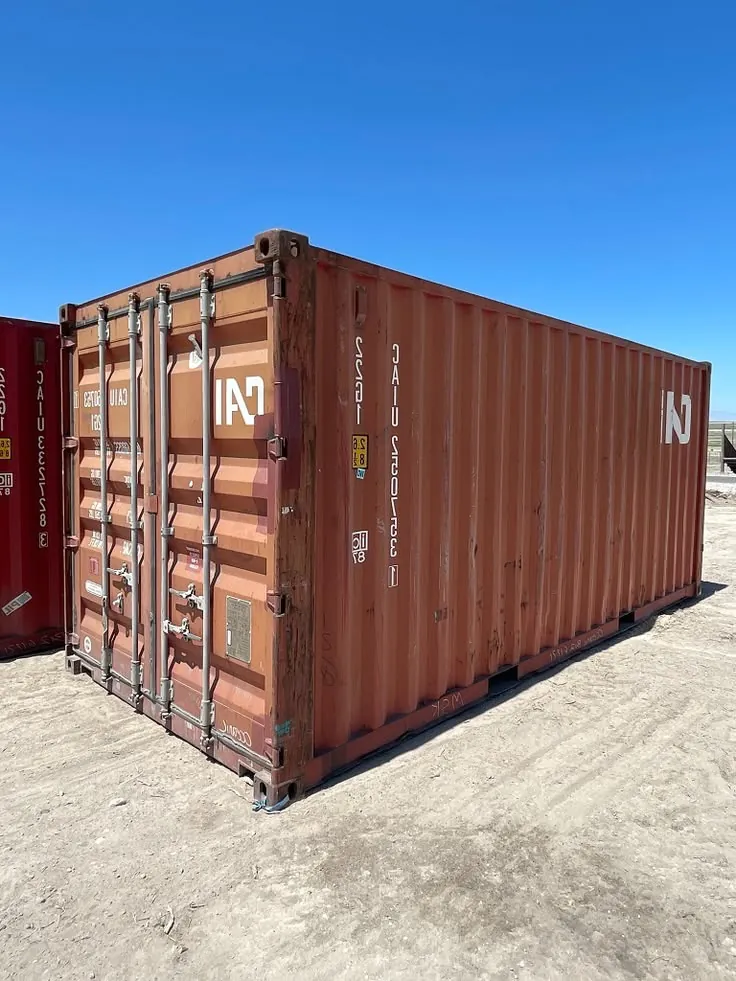
Used conex box options by size
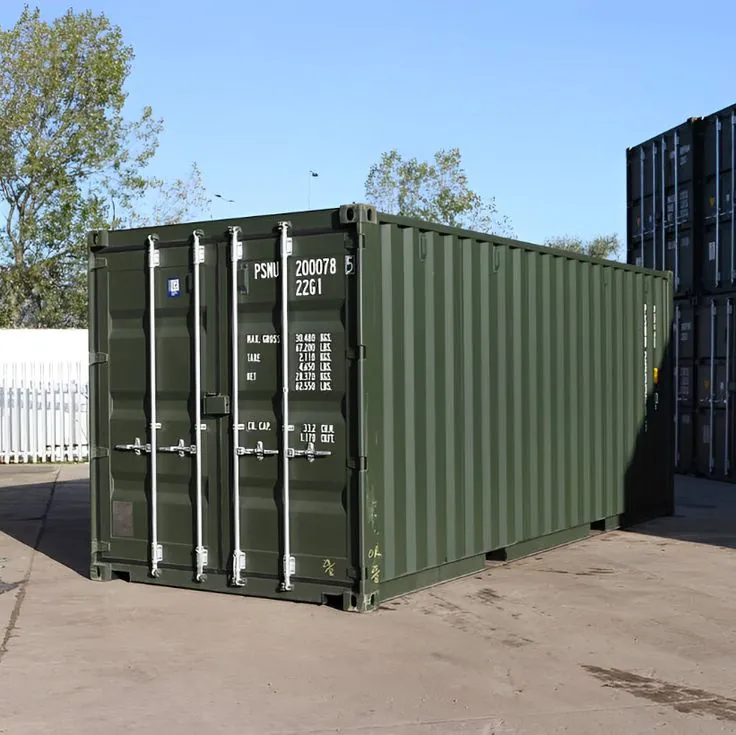
Everyday workhorse
20ft standard conex box
Versatile enclosed space for general storage, materials, and cargo.
- Used
- $2,100
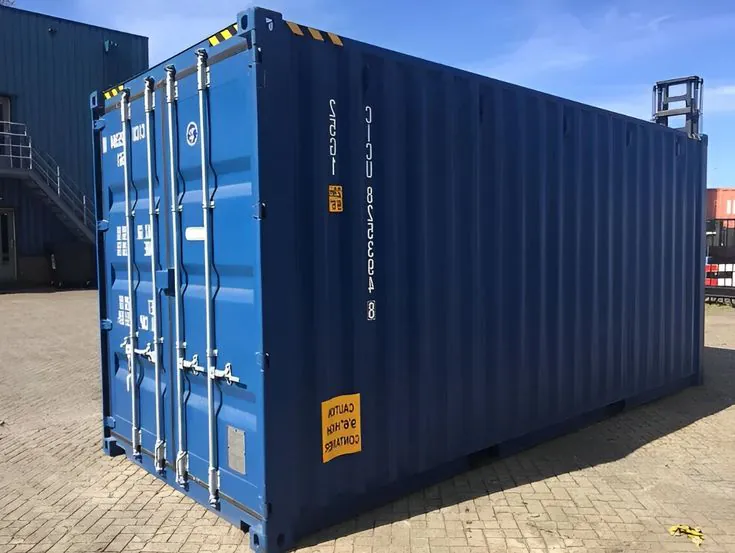
Extra headroom
20ft high cube conex box
Additional interior height for taller loads or roomier storage.
- Used
- $2,700
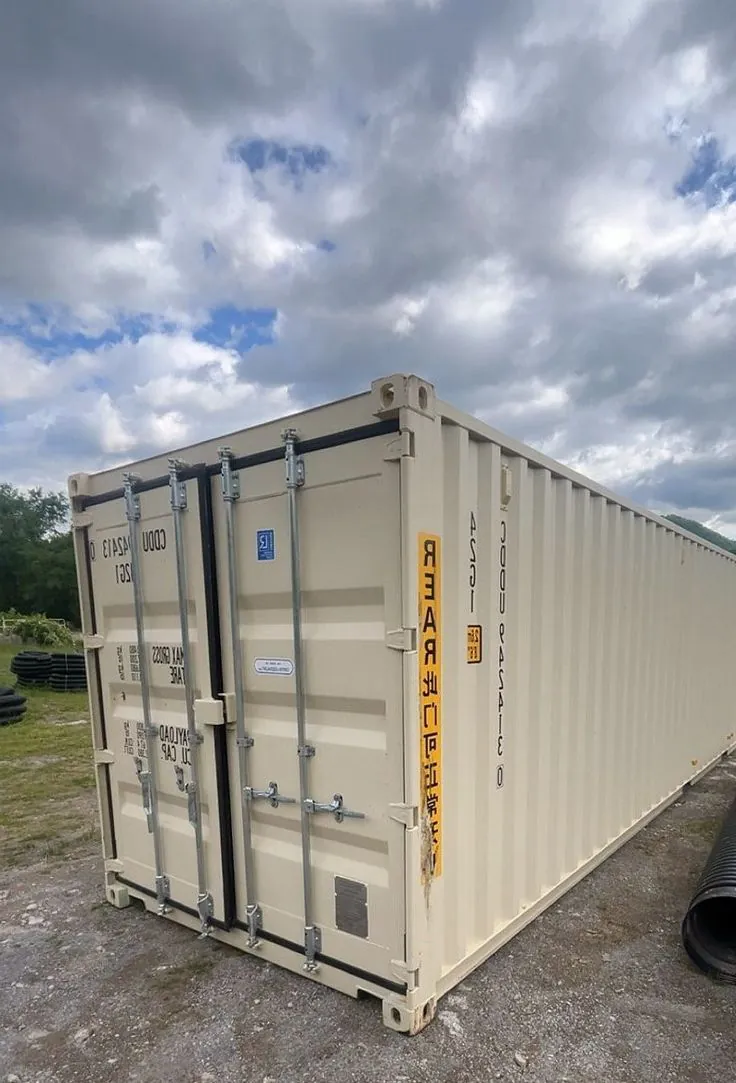
Everyday workhorse
40ft standard conex box
Versatile enclosed space for general storage, materials, and cargo.
- Used
- $2,800
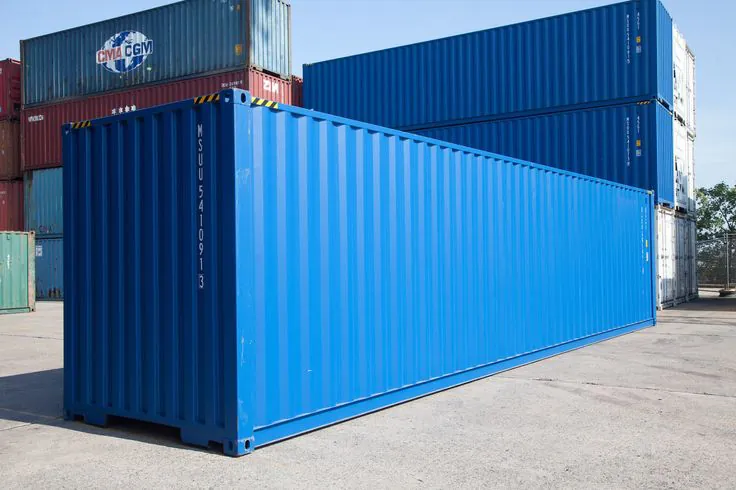
Extra headroom
40ft high cube conex box
Additional interior height for taller loads or roomier storage.
- Used
- $3,000
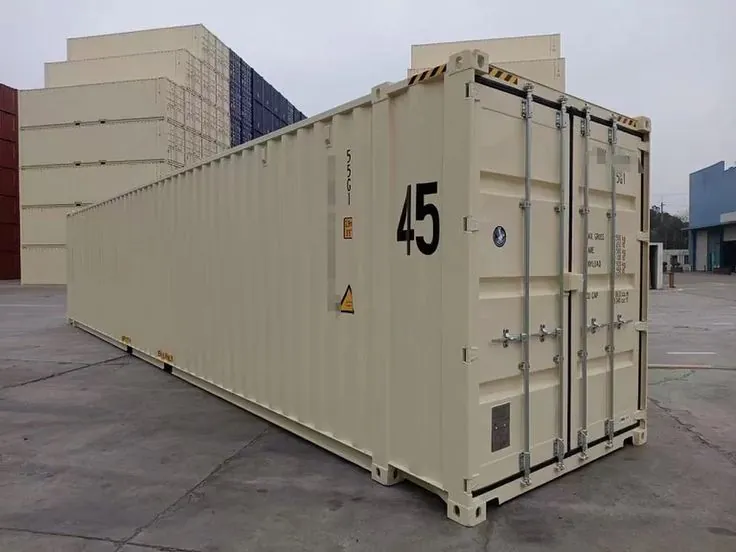
Extra headroom
45ft high cube conex box
Additional interior height for taller loads or roomier storage.
- Used
- $3,800
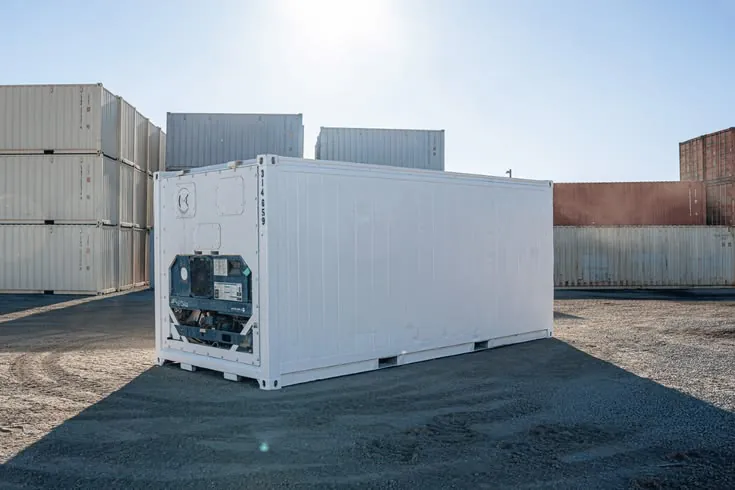
Temperature control
20ft reefer conex box
Refrigerated space for temperature-sensitive cargo; confirm power and equipment needs.
- Used
- $7,500
What “used” means
A used conex container has been in service, usually years at sea carrying cargo, before a shipping line or leasing company retires it and sells it for storage or further shipping. Expect dents, surface rust, faded or patched paint and old markings. What matters is the structure: a sound frame, a solid floor, doors that close and seal, and no holes.
Used container grades
| Grade | What it means | Best for |
|---|---|---|
| Cargo-worthy (CW) | Structurally sound and fit to carry cargo overseas; can be surveyed for a cargo-worthy certificate | Shipping your own goods, and storage |
| Wind and watertight (WWT) | Keeps out wind and rain, with doors that seal, but isn’t certified for shipping | On-site storage |
| As-is | Sold with known damage, such as holes, a damaged floor or stiff doors | Projects where you’ll repair or modify the box |
Grades describe what a container is fit for, not how it looks: a cargo-worthy box can have more dents than a wind and watertight one. Ask for current photos and the grade in writing for any used unit you’re quoted.
How to check a used conex box
- Light test: step inside, close the doors and look for pinholes of daylight in the roof and walls.
- Doors: they should open and close without forcing, with locking bars that engage and seals that are intact.
- Floor: look for soft spots, delamination or holes, especially near the doors.
- Roof: dents that hold water lead to rust; look for patches and holes.
- Frame and corners: corner posts and castings should be straight and solid.
- Markings: the CSC plate on the door shows the manufacture date and ratings.
Used or new?
Used containers cost less and work well for storage. Choose new (one-trip) containers for offices, homes, retail and anywhere appearance matters, or when you want the longest life from the box.
Sizes we offer used
Most used containers come out of ocean service, so they come in the standard shipping sizes: 20ft, 40ft and 45ft. We also sell used 8ft and 10ft standard units.
Buy, rent or rent-to-own a used conex
Buy a used conex outright, rent one, or spread the cost with rent-to-own. Looking for a used conex box near you? Share your ZIP code when you request a quote and we’ll price delivery to your site. See the conex price guide for what affects the price.
Good to know
Questions and answers
How long does a used conex box last?
It depends on its age and grade when you buy it and how you look after it. Keeping the roof clear of standing water and touching up rust spots goes a long way in storage use.
Is a used conex box watertight?
Cargo-worthy and wind and watertight units are sold as weathertight, with no holes and doors that seal. As-is units may not be, which is why they cost less.
Can I see photos of the actual used container?
Ask for current photos of the unit you’re quoted, including the doors, floor, roof and CSC plate, so you know exactly what’s coming.
Are used container floors treated with chemicals?
Container floors are often treated with pesticides to meet international quarantine rules. For storage that rarely matters, but if people will live or work inside, consider sealing or replacing the floor.
From the blog
Buyer guides
Plain-English answers to the questions buyers ask most. See all 100 buyer guides.
-
Used Container Grades Explained: Cargo-Worthy, Wind & Watertight, As-Is
What cargo-worthy, wind and watertight, IICL and as-is mean, who decides a used container's grade, and which grade fits storage, shipping or a conversion.
-
12 Condition Red Flags When Buying a Used Shipping Container
Twelve signs a used shipping container has real problems, from roof dents and floor rot to door damage and bent frames, and which ones are deal-breakers.
-
How Long Does a Second-Hand Shipping Container Last?
How long a second-hand shipping container lasts on land, what wears out first, how to tell a container's age, and the simple maintenance that adds years.
-
Shipping Container Scams: How to Buy Used Containers Safely
How shipping container scams work, the warning signs (prices far too low, wire-only payment, stolen photos) and the checks that protect your money.
-
Buying a Used Container Sight-Unseen: The Photos to Ask For
Buying a used shipping container without seeing it? The exact photos to ask for, how to judge them, and the details to get in writing before you pay.
-
Used Shipping Container Inspection Checklist (Printable)
A printable used shipping container inspection checklist covering the exterior, roof, doors, seals, floor, interior and paperwork, with what passes and fails.