The catalog
Conex Box Sizes & Types
Every conex box we offer, from compact 8ft units to 45ft high cubes, in eight types. Compare dimensions and capacity, then open a size to see what’s available in it.
Shop by conex box size
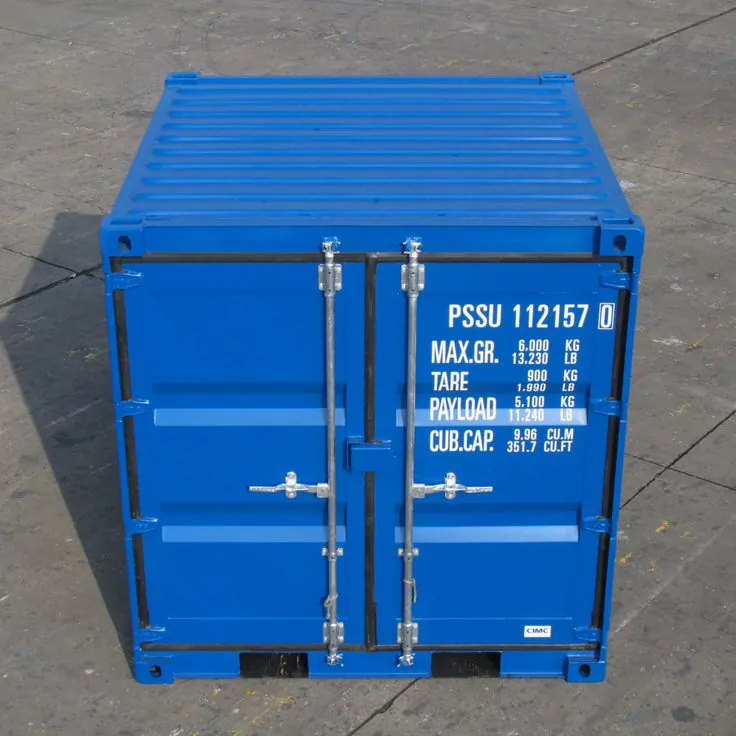
New, Used, Customized
8ft conex box
The smallest unit we offer, it fits in a single parking space and slips into tight yards, alleys, and job sites where a larger box can’t go.
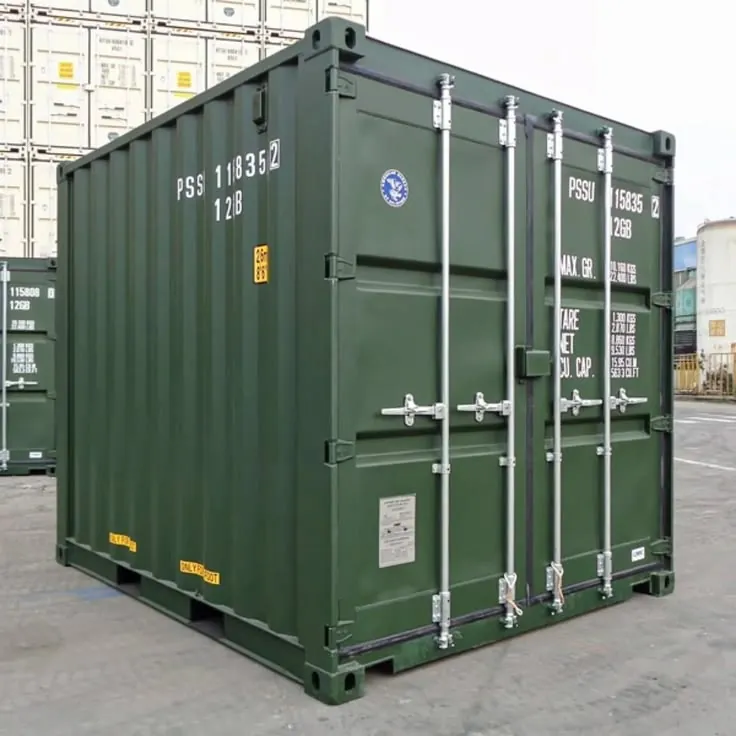
New, Used, Customized
10ft conex box
Compact enough for a driveway or a corner of a lot, yet roomy enough for real storage, a small office, or a pop-up shop.
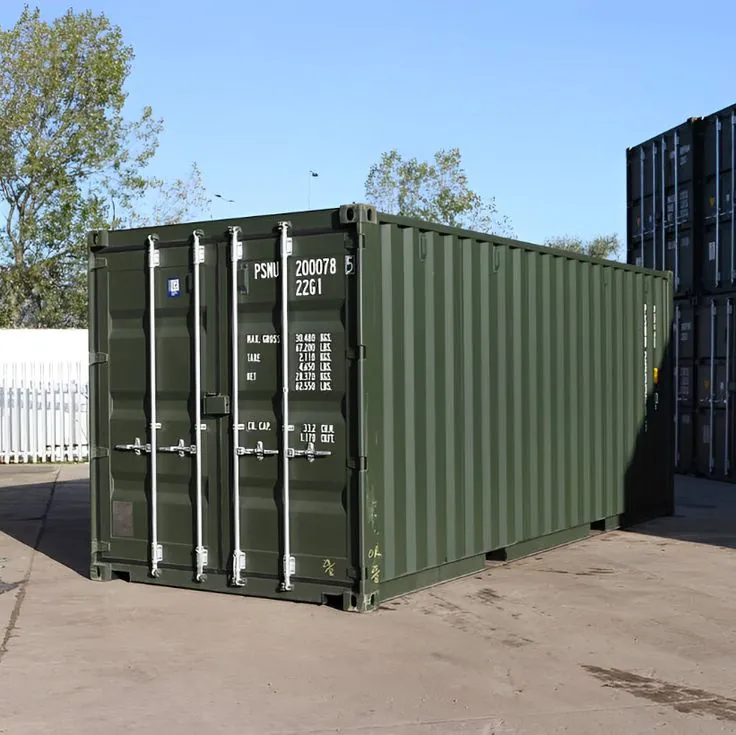
New, Used, Customized
20ft conex box
The most popular size we sell. It balances space, cost, and easy delivery, and fits on most residential and commercial sites.
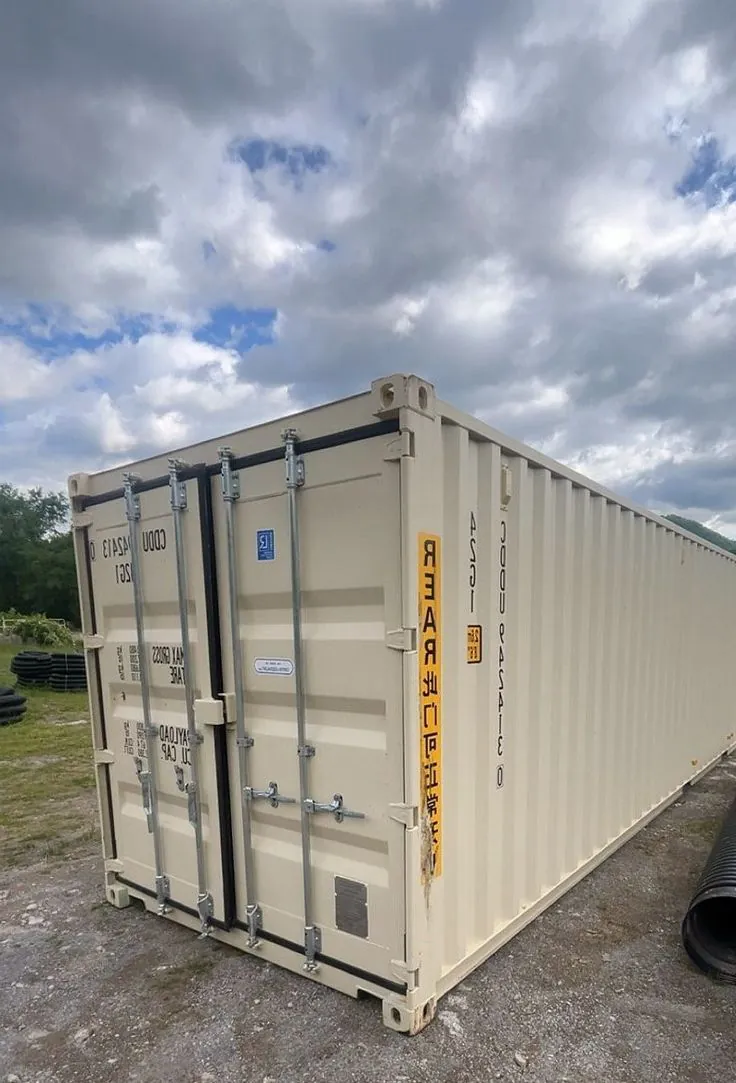
New, Used, Customized
40ft conex box
Twice the floor space of a 20ft unit for well under twice the price, making it the go-to choice for large inventories and conversions.
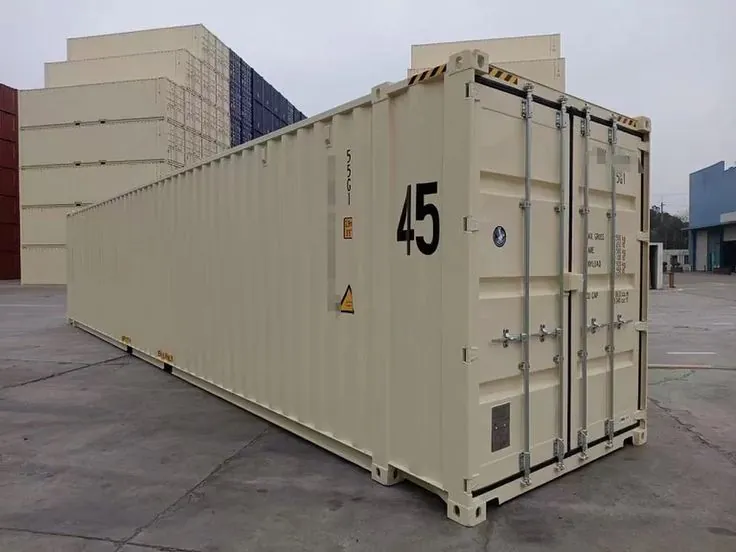
New, Used, Customized
45ft conex box
Our longest unit, offering extra floor space for bulky or long items. It needs a larger site and clear truck access for delivery.
Conex box sizes compared
| Size | External (L × W × H) | Interior (L × W × H) | Capacity | Empty weight | What fits |
|---|---|---|---|---|---|
| 8ft | 8′ × 7′ 3″ × 7′ 6″ | 7′ 3″ × 6′ 9″ × 6′ 10″ | ≈ 330 cu ft | ≈ 2,000 lb | About the contents of a small closet: tools, seasonal gear, or a few dozen boxes. |
| 10ft | 10′ × 8′ × 8′ 6″ | 9′ 3″ × 7′ 8″ × 7′ 10″ | ≈ 560 cu ft | ≈ 2,900 lb | About a one-bedroom apartment’s worth of storage, or a contractor’s tools and materials. |
| 20ft | 20′ × 8′ × 8′ 6″ | 19′ 4″ × 7′ 8″ × 7′ 10″ | ≈ 1,170 cu ft | ≈ 4,900 lb | About the contents of a one- to two-bedroom home, or roughly 10 standard pallets. |
| 40ft | 40′ × 8′ × 8′ 6″ | 39′ 5″ × 7′ 8″ × 7′ 10″ | ≈ 2,390 cu ft | ≈ 8,200 lb | About the contents of a three- to four-bedroom home, or roughly 20 to 24 standard pallets. |
| 45ft | 45′ × 8′ × 8′ 6″ | 44′ 5″ × 7′ 8″ × 7′ 10″ | ≈ 2,680 cu ft | ≈ 9,900 lb | More than a 40ft unit holds, or roughly 24 to 27 standard pallets. |
Dimensions are typical for standard-height units; high cube versions are one foot taller. Exact figures vary by manufacturer, so ask for the spec plate details of any unit you’re quoted.
Which size do you need?
- 8ft and 10ft fit where space is tight: driveways, small yards, urban job sites and behind shops. They’re sold new, used or customized.
- 20ft is the most popular size. It fits most residential and commercial sites and holds about 10 pallets, or the contents of a one- to two-bedroom home.
- 40ft doubles the floor space of a 20ft for well under twice the price, but needs a much longer delivery approach.
- 45ft is the longest unit, built as a high cube, for big storage jobs and large conversions.
A good rule: measure your largest items and the space on your site, then choose the smallest size that fits both with room to spare. Shelving lets you use the height.
Conex container types
| Type | What it’s for | Sizes |
|---|---|---|
| Standard | Versatile enclosed space for general storage, materials, and cargo. | 8ft · 10ft · 20ft · 40ft · 45ft |
| High cube | Additional interior height for taller loads or roomier storage. | 8ft · 10ft · 20ft · 40ft · 45ft |
| Open side | Side-opening access can help with loading wider items. | 8ft · 20ft · 40ft · 45ft |
| Open top | A removable roof lets tall or crane-loaded items go in from above. | 8ft · 20ft · 40ft · 45ft |
| Custom & office | Start from a standard unit and add doors, windows, shelving, or other changes. | 8ft · 10ft · 20ft · 40ft · 45ft |
| Reefer | Refrigerated space for temperature-sensitive cargo; confirm power and equipment needs. | 8ft · 10ft · 20ft · 40ft · 45ft |
| Insulated | Insulated walls help moderate interior temperature without active refrigeration. | 8ft · 10ft · 20ft · 40ft · 45ft |
| Flat rack | Open sides and end walls suited to machinery and loads that don’t fit inside a box. | 8ft · 20ft · 40ft · 45ft |
Standard or high cube?
A high cube is built like a standard container but stands 9′ 6″ tall instead of 8′ 6″, adding roughly 12% more space on the same footprint. Choose a high cube for tall items, racking or any conversion where you’ll insulate the ceiling. For general storage, a standard box usually does the job for less.
New, used or custom?
New (one-trip) conex containers have made a single voyage and arrive close to factory condition. Used conex containers cost less and are graded for shipping or storage. Custom builds start from either and add doors, windows, insulation, power and fit-out.
Good to know
Questions and answers
What are the most common conex box sizes?
20ft and 40ft are the standard shipping sizes and by far the most common. 45ft high cubes are less common, and 8ft and 10ft units are smaller boxes built mainly for storage.
How big is a 20ft conex box?
About 20′ long, 8′ wide and 8′ 6″ tall outside (9′ 6″ for a high cube), with roughly 19′ 4″ × 7′ 8″ × 7′ 10″ of interior space in a standard unit.
What is the smallest conex box?
Our smallest is the 8ft conex box, about the footprint of a parking space.
Does every type come in every size?
No. Specialty types such as reefers, insulated units and flat racks are mainly 20ft and 40ft containers, and 10ft units come as standard, high cube, reefer, insulated or custom. Each size page lists what it’s offered in.
From the blog
Buyer guides
Plain-English answers to the questions buyers ask most.
-
Container Types Made Simple: 8 Styles Explained
Shipping container types explained simply: standard, high cube, open side, open top, reefer, insulated, flat rack and custom, and which one fits your job.
-
Shipping Containers for Farms & Ranches: Sizes, Uses & Placement
How farms and ranches use shipping containers: storing feed, tools and equipment, cold storage, choosing sizes, placement on rural land and rodent-proofing.
-
Conex Box on Wheels: Dollies, Trailers & Chassis Explained
How to put a conex box on wheels: container dollies and caster kits, trailers, container chassis and mobile units, plus their limits, safety and costs.