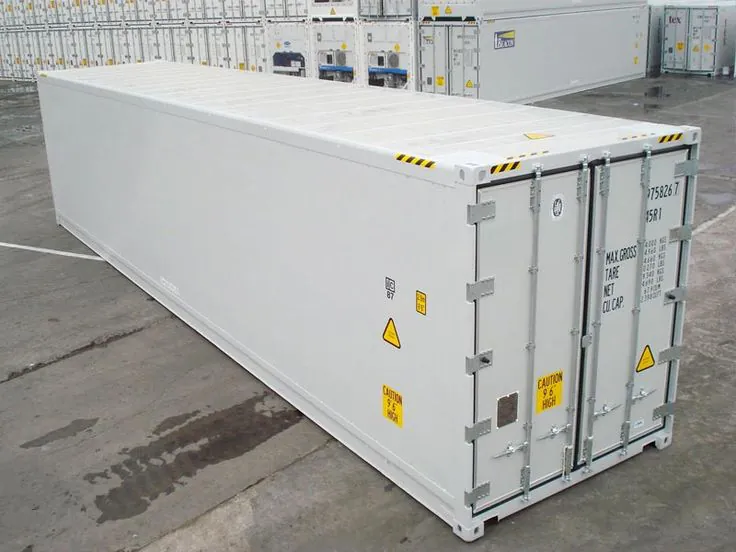
 Photo 1 of 2
Similar unit shown. Ask for current photos of the 20ft insulated unit you’re quoted.
Steadier interior
20ft Insulated Conex Box for Sale
A 20ft insulated conex box has foam-filled walls, roof and doors but no refrigeration unit. It keeps temperatures steadier and cuts condensation, protecting documents, electronics, furniture and other goods that suffer in a plain steel box.
Condition
How you’d like it
- External (L × W × H)
- 20′ × 8′ × 8′ 6″
- Capacity
- ≈ 1,040 cu ft
- Tare weight
- ≈ 5,700 lb
- New
- $4,000
Purchase price for the container only, before delivery and tax. Prices checked October 2026.
Pricing, availability, and delivery are confirmed when you request a quote.
-
Price
Upfront, competitive prices
-
Accessories
Free shipping accessories
-
Delivery
Delivery in 5 to 10 days
About the 20ft insulated conex box
An insulated container has foam insulation in the walls, roof, and doors but no refrigeration machinery. It slows heat transfer so the interior stays steadier than in a standard steel box.
Insulation also cuts condensation, which protects paper, electronics, and furniture. Many are former reefers with the machinery removed, and they make a good base for offices or workshops you plan to heat or cool.
Why 20ft?
The most popular size we sell. It balances space, cost, and easy delivery, and fits on most residential and commercial sites.
What fits
About the contents of a one- to two-bedroom home, or roughly 10 standard pallets.
Who buys a 20ft insulated conex box?
Best for: paper records, electronics and furniture; paint, wine and other goods that dislike temperature swings; and offices or workshops you plan to heat or cool, since the insulation is already in place.
Many insulated containers are former reefers with the machinery removed, so the interior is a smooth, easy-clean metal lining. Add a wall-mounted AC or heater as a modification to control the temperature. If your goods need refrigeration, choose a 20ft reefer instead.
Key features
- Insulated walls, roof, and doors
- Fewer temperature swings and less condensation
- Smooth, easy-clean interior walls
- Lockable double cargo doors
- Ready for an added AC or heating unit
Popular uses
- Documents, electronics, and furniture
- Goods that need steady temperatures but not refrigeration
- Offices and workshops
- Wine, paint, and chemical storage
- Living and work conversions
Choose what suits your budget
Available conditions
Ask for current photos and grade details of any unit before you decide.
-
Available
New
- New
- $4,000
Also called one-trip. Typically shipped once from the factory, so expect clean paint, tight door seals, and little or no wear.
About new containers -
Available
Customized
- Customized
- Get Quote
Starts from a new or used unit and is modified to your plan, such as doors, windows, shelving, insulation, or electrical.
About custom builds
Good to know
Questions about this container
What fits in a 20ft container?
About the contents of a one- to two-bedroom home, or roughly 10 standard pallets. Exact capacity depends on how the space is packed.
Does an insulated container stop condensation?
It greatly reduces it, because the inner walls stay closer to the air temperature. Good ventilation and keeping the doors closed in humid weather help too.
Is an insulated container the same as a reefer?
No. A reefer has a refrigeration unit that holds a set temperature. An insulated container only slows heat transfer, though you can add AC or heating.
Can I rent this container instead of buying it?
Yes. Choose Buy, Rent or Rent to own above and request a quote, and we’ll confirm what’s available for this unit in your area. See how conex rental and rent-to-own work.
Does the quote include delivery?
Delivery depends on your location, site access and the container selected. Share your ZIP or postal code when you request a quote so those details can be checked.
Not quite right?
You may also like
Compare the same style in another size, or another style in the same size.
Insulated in other sizes
Steadier interior
8ft insulated conex box
Insulated walls help moderate interior temperature without active refrigeration.
Steadier interior
10ft insulated conex box
Insulated walls help moderate interior temperature without active refrigeration.
- Price
- $2,800
Steadier interior
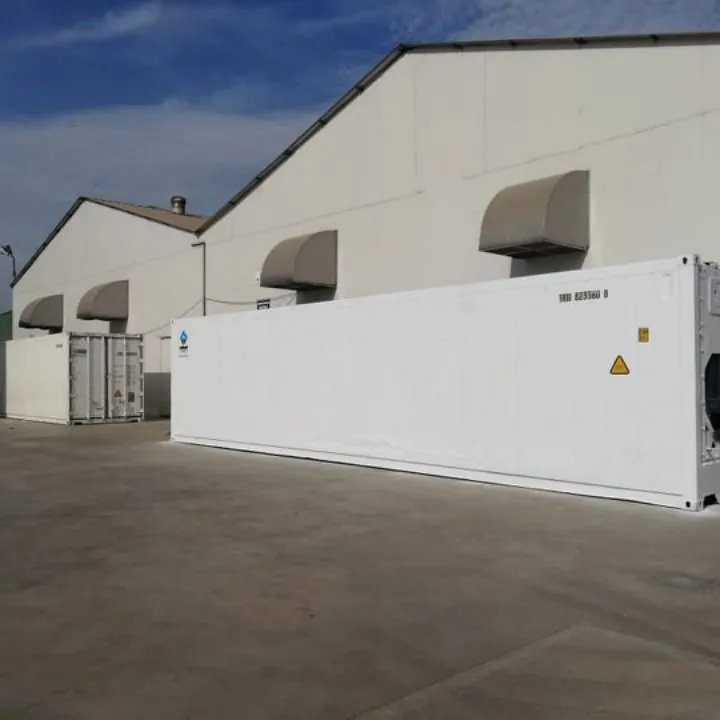
40ft insulated conex box
Insulated walls help moderate interior temperature without active refrigeration.
- New
- $5,200
Steadier interior
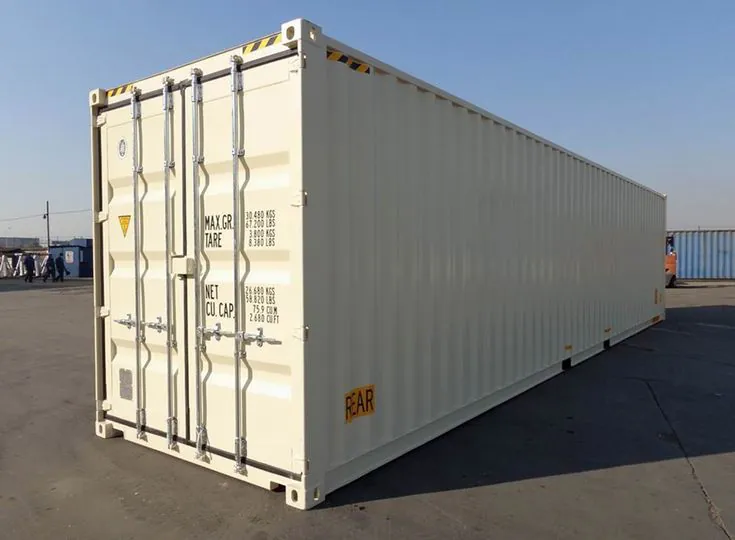
45ft insulated conex box
Insulated walls help moderate interior temperature without active refrigeration.
- New
- $6,800
More 20ft containers
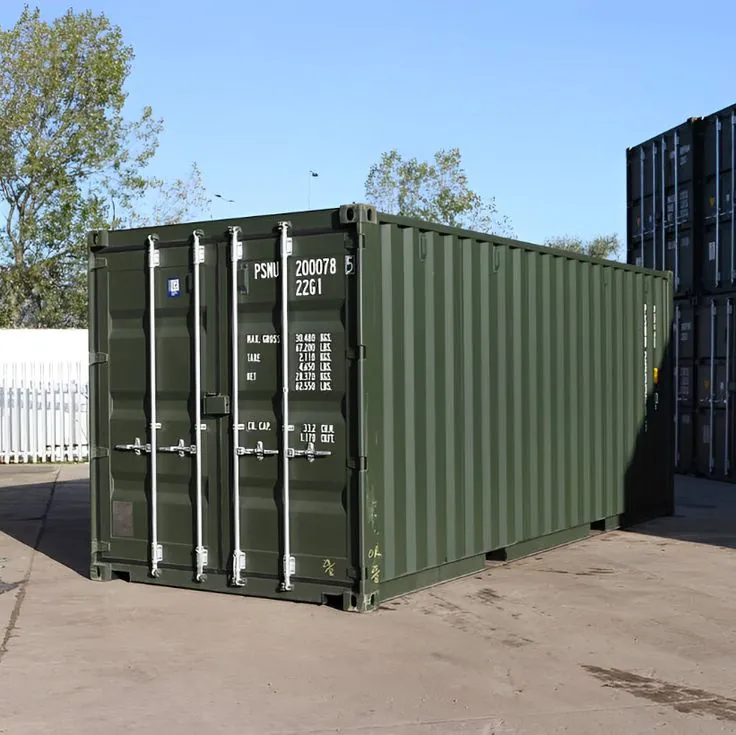
Everyday workhorse
20ft standard conex box
Versatile enclosed space for general storage, materials, and cargo.
- New
- $3,000
- Used
- $2,100
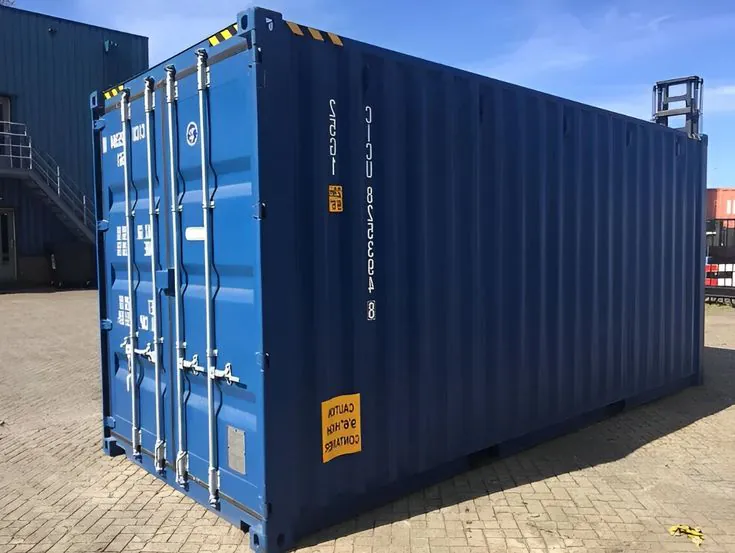
Extra headroom
20ft high cube conex box
Additional interior height for taller loads or roomier storage.
- New
- $3,500
- Used
- $2,700
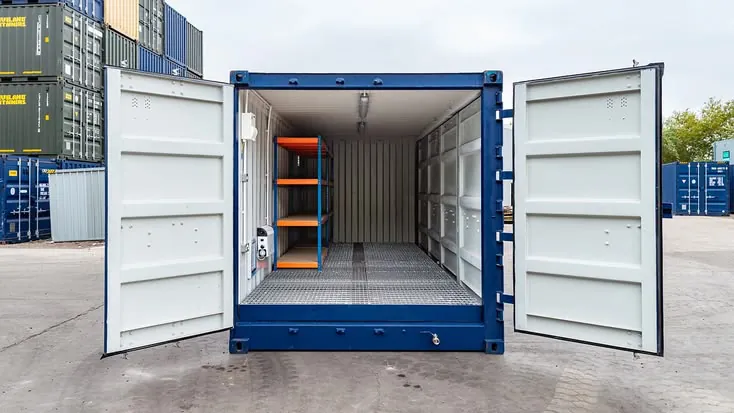
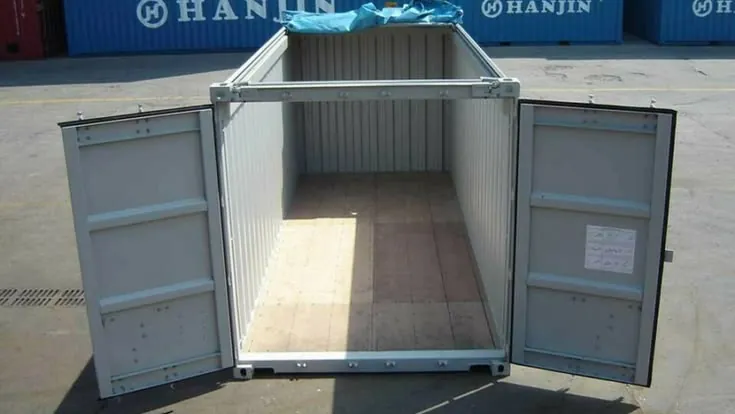
Top loading
20ft open top conex box
A removable roof lets tall or crane-loaded items go in from above.
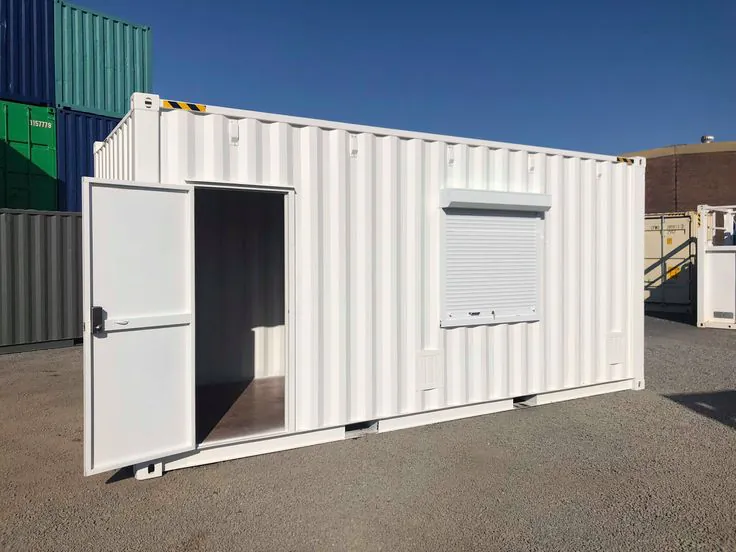
Built to your plan
20ft custom-built conex box
Start from a standard unit and add doors, windows, shelving, or other changes.
- Custom configuration
- Get Quote
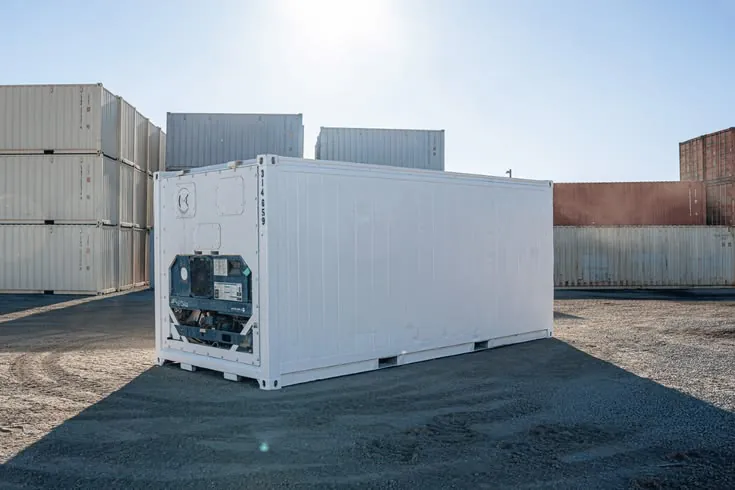
Temperature control
20ft reefer conex box
Refrigerated space for temperature-sensitive cargo; confirm power and equipment needs.
- New
- $12,000
- Used
- $7,500
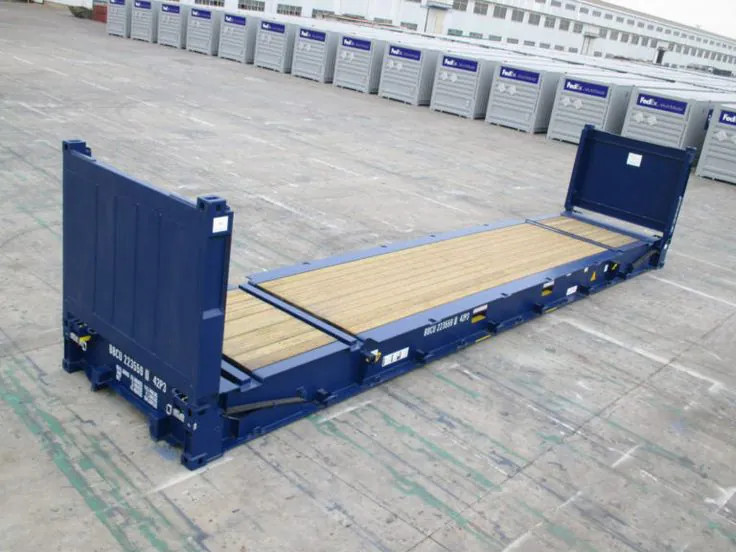
Oversized cargo
20ft flat rack conex box
Open sides and end walls suited to machinery and loads that don’t fit inside a box.
From the blog
Buyer guides
Plain-English answers to the questions buyers ask most.
-
Stop Condensation in a Storage Container: Vents, Insulation & Desiccants
Why shipping containers get condensation ("container rain"), and how to stop it with vents, insulation, desiccants, good placement and smart packing.